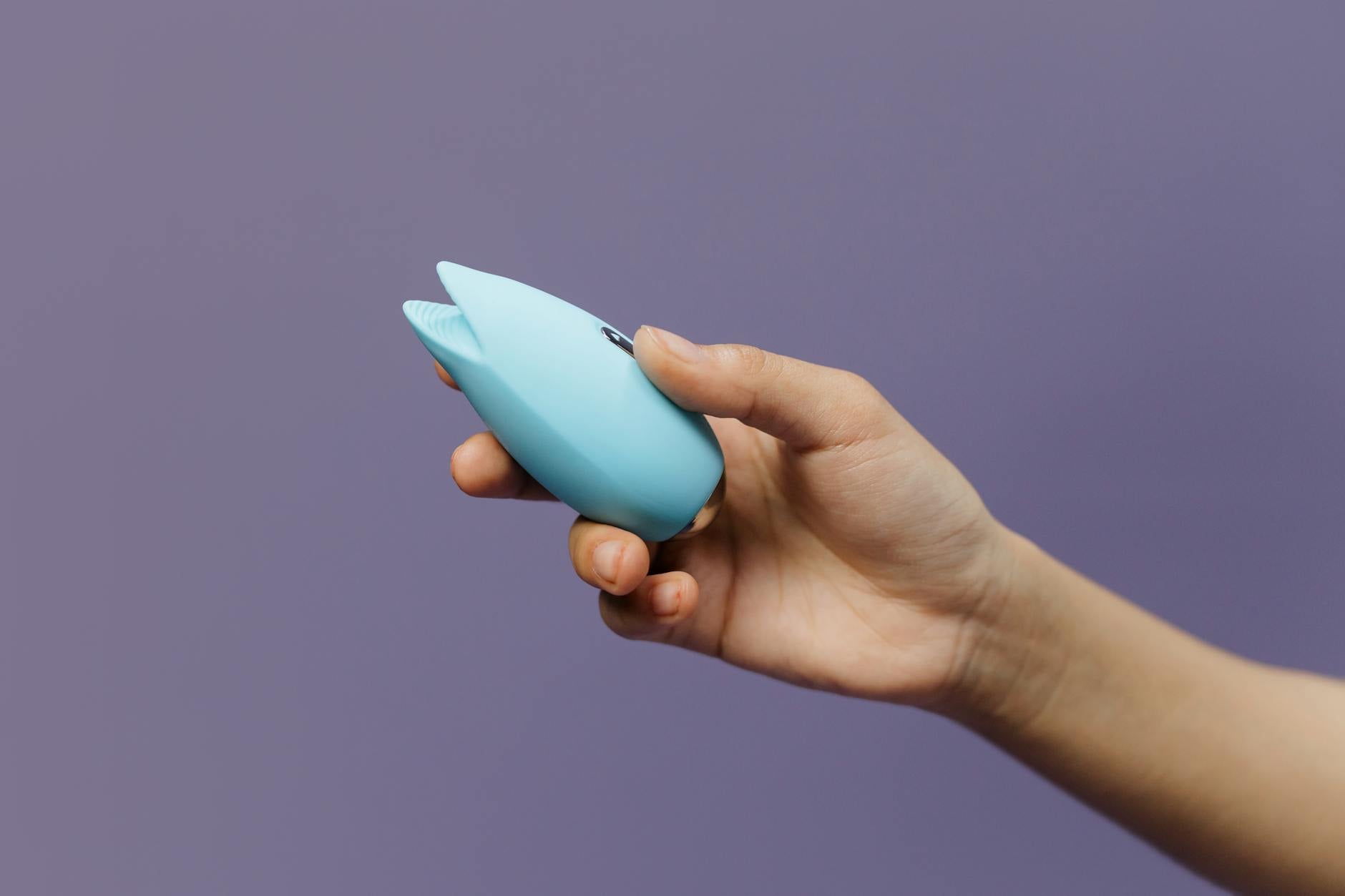
Here's what nobody tells you about clitoral sensitivity
Having a sensitive clitoris doesn't mean your body is broken. It means your nerve endings are doing their job—maybe a little enthusiastically. The problem isn't sensitivity itself. The problem is that most toys treat all clitorises like they're the same, which is wildly untrue.
That's where lemon vibrators change the game.
If you've been avoiding pleasure toys because direct stimulation feels overwhelming, or if you've had bad experiences with wands or traditional vibrators, you're not alone. A huge number of people with sensitive clitorises don't realize they've just been using the wrong tool. Suction-based lemon clitoral vibrators work through a completely different mechanism than vibration or friction. The difference is so significant that what felt painful five minutes ago might feel incredible once you switch devices.
Let me walk you through why that is, and what actually happens when you use a lemon vibrator on sensitive tissue.
How sensitivity works (and why vibrators make it worse)
Your clitoris has between 8,000 and 10,000 nerve endings concentrated in a space the size of a pea. That's more nerve density than your entire fingertip. So when something is stimulating all those nerves at maximum frequency—like a traditional vibrator at 50 hertz—your nervous system doesn't have a dial. It just gets louder.
Without getting too technical, direct vibration on a sensitive clitoris can feel like someone's tapping your funny bone over and over. It's intense, overwhelming, and sometimes genuinely painful. Your body can't shift into arousal when it's stuck in a defensive response.
Here's what makes lemon sexual toys different. Suction doesn't vibrate your clitoris. It engorges it. The gentle pressure draws blood into the tissue, which changes how your nerve endings register sensation. Instead of rapid-fire tapping, you're getting a slow, deepening wave of stimulation. It's fundamentally less aggressive on sensitive tissue.
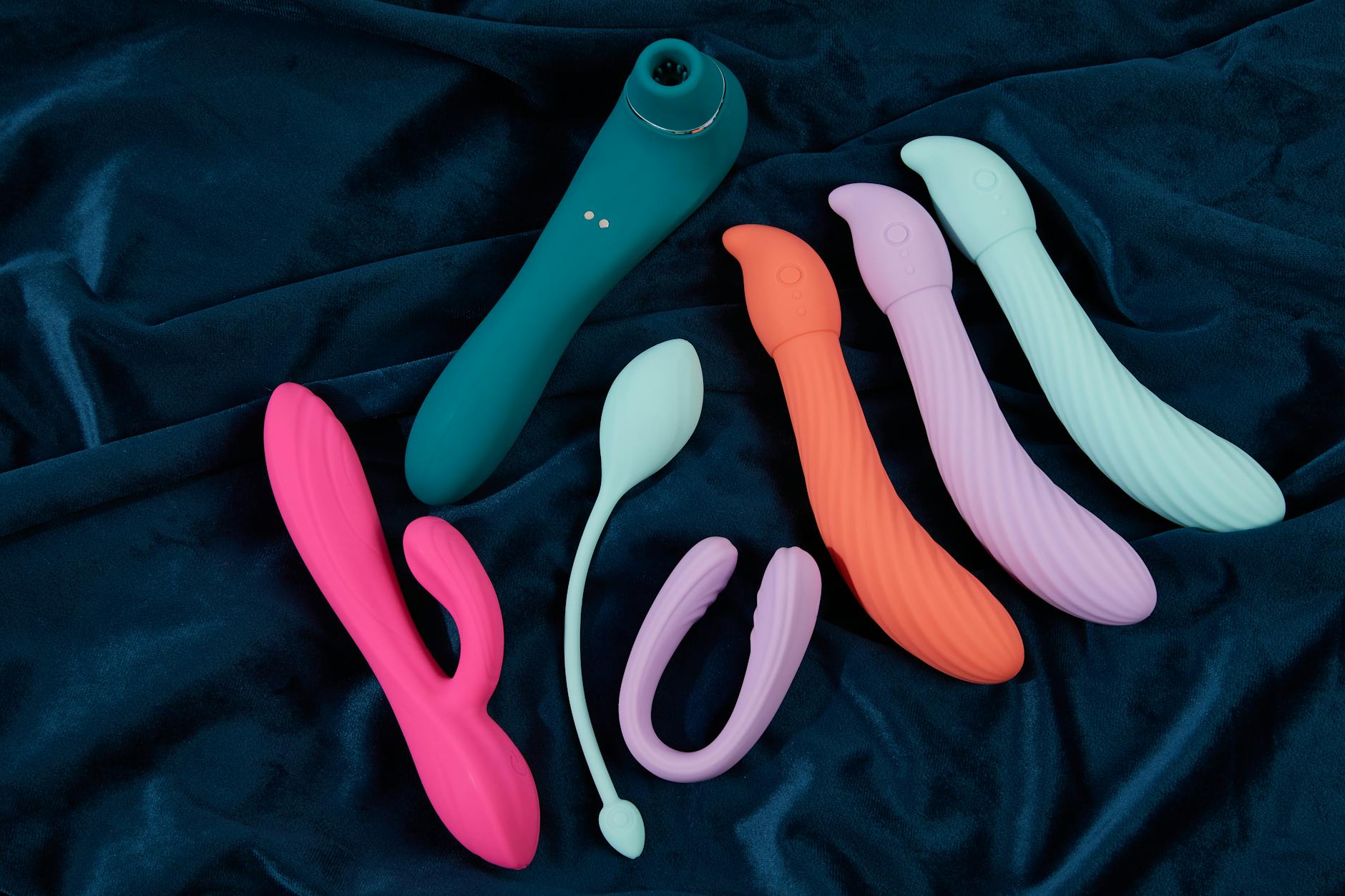
Photo by IFONNX Toys on Pexels
Why lemon vibrators feel gentler than traditional toys
Three mechanical reasons:
First, the intensity is distributed differently. A vibrator concentrates force into a small area, moving back and forth hundreds of times per second. A lemon clitoral vibrator uses suction to create gentle pulsation. The sensation spreads across the tissue instead of hammering one spot. For sensitive clitorises, distributed pressure feels way more tolerable than concentrated vibration.
Second, you have more control. On the Lem vibrator, you can start at setting 1—which is barely any suction—and work up from there. You're not forced into "on" or "off." You get to dictate intensity in a way that respects your nervous system's actual capacity. That control is huge for people whose bodies have learned to brace against overstimulation.
Third, there's no direct contact with the most sensitive part. Suction works through the gentle cup, not by direct application. This acts as a buffer for your clitoris. You're getting stimulation through soft, enveloping pressure instead of a vibrating surface pressed against the tip. It's the difference between someone holding your hand and someone tapping it repeatedly.
For many people with sensitive clitorises, this is the first toy that doesn't feel like punishment.
The practical setup for sensitive pleasure
Okay, so you have a lemon clitoral vibrator. Here's how to actually use it without triggering defensive responses:
Start with lubrication, always. Water-based lube isn't optional for sensitive tissue—it's foundational. A tiny amount of friction compounds sensitivity astronomically. Lube smooths everything. Use more than you think you need.
Begin with your body already aroused. Don't jump straight to the toy. Spend time touching yourself, reading something that turns you on, whatever gets your blood flowing. Your clitoris should already be slightly engorged before you introduce the lemon vibrator. A responsive, aroused clitoris tolerates sensation way better than a dormant one.
Position the cup with intention. You don't need to center it perfectly on the tip. In fact, many people with sensitivity find that positioning the cup slightly off-center, so it's stimulating the side or base of the clitoris instead of the glans, feels exponentially better. Experiment. Your body will tell you what works.
Start at setting 1. Seriously. Resist the temptation to crank it up. Let yourself feel the sensation for 30 seconds before moving to setting 2. This calibration process is not wasting time. It's teaching your nervous system that the toy is safe and responsive to your pace. That trust makes the eventual intensity way more accessible.
Use rhythm, not just intensity. If you're at setting 2 and it feels like too much, don't jump down to setting 1. Instead, try pulsing it—cup on for 3 seconds, off for 2. The rhythm changes how your nervous system processes the sensation without actually lowering intensity. Often a pulsed pattern feels way better than constant suction at a lower setting.
When sensitivity is linked to other things
Sometimes a sensitive clitoris shows up alongside other stuff. If direct touch hurts but suction doesn't, that's one thing. But if suction also triggers discomfort, or if pain appears anywhere during arousal, that's worth exploring with a healthcare provider.
Vulvodynia and other pain conditions are real and responsive to treatment. A gynecologist trained in sexual medicine can rule out inflammation, nerve issues, or other contributors. It's not something lemon adult toys can fix alone, but it's also not something you have to live with. Treatment exists.
If sensitivity feels connected to tension—like your pelvic floor clenches the second you try to use any toy—that's different and worth addressing separately. Pelvic floor physical therapy, breathing work, and even therapy can help your nervous system regulate. Once that foundation is there, lemon vibrators often work way better.
The partner question
If you have a partner, they sometimes want to "help" by using the toy on you. Here's my take: that's a separate conversation from solo exploration. Learning how your sensitive clitoris responds to the lem vibrator solo, at your pace, with your hands, teaches you what you actually need. Once you know that, you can decide how (and whether) to involve a partner. But trying to figure out sensitivity while someone else is holding the controls adds variables. Do the solo work first.
When you do bring a partner in, the principle is the same: slow, intentional, starting at lower settings. If you're sensitive and they're eager, that mismatch creates tension. Be explicit. "I need us to stay at setting 2 for the next 10 minutes." It's not about them being impatient. It's about protecting your pleasure from being overridden.
The timeline shift
With lemon clitoral vibrators, many people find that orgasms take longer to build but feel way more integrated once they arrive. That's not a bug. That's actually how pleasure works when you're not overwhelmed. You're not rushing toward release to escape overstimulation. You're actually building sensation layer by layer.
The first time using a lemon vibrator, you might not orgasm at all. You might just feel curiosity or mild pleasure. That's fine. Your nervous system is learning that this tool is safe. By the third or fourth time, you'll probably feel a noticeable shift. By a few weeks in, many people with sensitivity report that they've had the best orgasms of their lives.
That progression isn't dramatic, but it's real.
FAQ: Lemon Vibrators and Clitoral Sensitivity
**### Can a lemon vibrator cause pain if my clitoris is already sensitive?
No—if you use it correctly. The key is starting at the lowest setting, using lubrication, and building slowly. Suction-based lemon vibrators are actually gentler than traditional vibrators for sensitive tissue because they distribute pressure instead of concentrating it. That said, if you have pain conditions like vulvodynia, talk to your doctor before trying any new toy. Suction might help, but it's worth checking first.
**### What's the difference between a lemon vibrator and a regular wand for sensitive clitorises?
Wands deliver vibration through direct contact, which hammers sensitive nerve endings. Lemon clitoral vibrators use suction to engorge and stimulate through gentle pressure. Most people with sensitive clitorises find suction way more tolerable than vibration. It's like the difference between someone tapping your shoulder repeatedly versus giving you a gentle, sustained embrace.
**### Can I use a lemon sucker if I have vaginismus or pelvic floor tension?
Yes, but with awareness. Vaginismus is pelvic floor tension that kicks in during penetration or pressure. Clitoral suction doesn't require penetration, so it might actually feel better than other toys. That said, if using any device triggers tensing, slow way down. You might benefit from pelvic floor physical therapy alongside toy use. Start with the Lem vibrator at the absolute lowest setting and see how your body responds.
**### How long does it take to adjust to lemon vibrators if I have sensitivity?
Most people feel a notable difference within 3-5 uses. Your nervous system is learning that this tool is safe and responsive. Don't rush it. If something feels off after a few sessions, that's worth examining. But if it feels weirdly good, keep going. The adjustment period is real, and it's worth it.
**### Are there lemon vibrator settings designed for sensitive tissue?
Yes. The lowest settings on lemon clitoral vibrators are specifically gentler. Setting 1 on the Lem provides minimal suction and is excellent for sensitivity. You can also use pulsing patterns instead of constant suction, which changes how the stimulation feels without lowering the actual setting. Experiment with both to find what your body responds to.
**### What if I still feel overwhelmed even at the lowest lemon vibrator setting?
That's okay. It might mean you need even more lubrication, a longer warm-up period, or positioning the cup differently. It also might mean there's something else going on—tension, pain conditions, or nervous system activation that needs a different approach. Consider talking to a sex therapist or sexual medicine doctor. Sometimes sensitivity has roots that toys alone can't address. Getting support for that foundation makes everything work better afterward.
The real thing
A sensitive clitoris is not a flaw. It's just information about how your nervous system works. The goal isn't to numb it or push through it. The goal is to find tools and approaches that work with it. Lemon vibrators and other clitoral suction toys do that in a way that most toys don't. If you've written off pleasure because of sensitivity, it might be worth revisiting with a different device and a different pace.
Your pleasure matters, and you deserve to experience it without pain. If you're curious about whether a lemon clitoral vibrator is right for you, start with the lowest setting, trust your body's signals, and give yourself permission to go slow. That's the whole point.