Here's the dynamic nobody talks about
Your partner is worried they're not enough. You're worried they're worried. Neither of you says it out loud. So sex becomes this silent performance review where everyone's anxious and nobody's actually present. That's when pleasure disappears.
Performance anxiety in couples is wildly common. It shows up as rushing, avoidance, or going through the motions while running a self-critical commentary in your head. What most people don't realize is that introducing a lemon clitoral vibrator doesn't shame your partner or say "you're failing." It actually does the opposite: it removes the pressure cooker entirely.
Why vibrators flip the performance script
Let me explain what's actually happening in the anxiety loop. Your partner is focused on their ability to arouse you through friction, rhythm, or direct touch. If they're struggling with stamina, sensitivity, or body confidence, that focus tightens into worry. Worry kills erection, kills desire, kills the whole thing.
When you introduce a lemon vibrator, you're not replacing them. You're redistributing the job. The vibrator handles the stimulation that creates consistent sensation. Your partner can focus on presence, kissing, eye contact, and being with you instead of performing for you.
This is not a subtle shift. It's the difference between "Am I doing this right?" and "I love being close to you right now."
How to introduce it without making it weird
Timing and language matter here. Don't bring it up mid-sex or when things are already tense. Pick a calm moment, maybe outside the bedroom entirely.
Instead of: "I need more stimulation," try "I've been curious about exploring something together that might feel different for both of us."
Instead of: "You can't make me orgasm," try "I want us to try something that lets me show you exactly how I like being touched."
The frame is collaborative, not corrective. You're saying: "This is something I want to experience with you," not "You're not enough."
Then show them the vibrator. Hold it. Let them see it's not a threat. Some people find it helpful to look at it together online first, read reviews together, make it part of the decision.
What actually happens the first time you use it together
Start slow. This isn't a performance either. Set aside real time, not rushed time. Tell your partner upfront: "I'm going to use this, and I want you to watch, or touch me, or be close, whatever feels good to you."
Many partners report that the anxiety actually melts the moment they see their person relaxing into pleasure. Watching someone enjoy their body without pressure is wildly arousing. It's not about what they're doing with their hands anymore. It's about connection.
You might orgasm faster. You might have a better orgasm. Your partner will likely notice both of those things, and it will feel good to them, because they were part of creating the space for it.
That's the real shift: they move from "performer" to "partner in your pleasure."
The conversation that follows matters
After sex, don't let it go unspoken. Your partner might be wondering if this means you're unsatisfied with them, or if you're going to want this every time now, or if you're judging them.
Say something like: "That felt amazing. I loved being close to you while trying that." Specific appreciation helps. "I loved watching your face" or "I liked how present you felt" connects the vibrator to closeness, not replacement.
If they want to take a turn using it on you, let them. That can ease the transition from "you do this to me" to "we explore this together."
If they're still hesitant, don't push. Let them sit with it. Many partners warm up faster after the first time than they do before it. The anxiety they had about it is usually worse than the actual experience.
When your partner's anxiety goes deeper
If the resistance is really strong, or if they express genuine distress, that's worth exploring more carefully. Sometimes performance anxiety is actually about something else: fear of intimacy, low self-worth, or past sexual shame. A lemon vibrator won't fix those things, but a therapist might help.
If you're working with a couples therapist, bring this up. A good one will help you both see that using toys together is a sign of trust and communication, not failure.
Why lemon clitoral vibrators work particularly well here
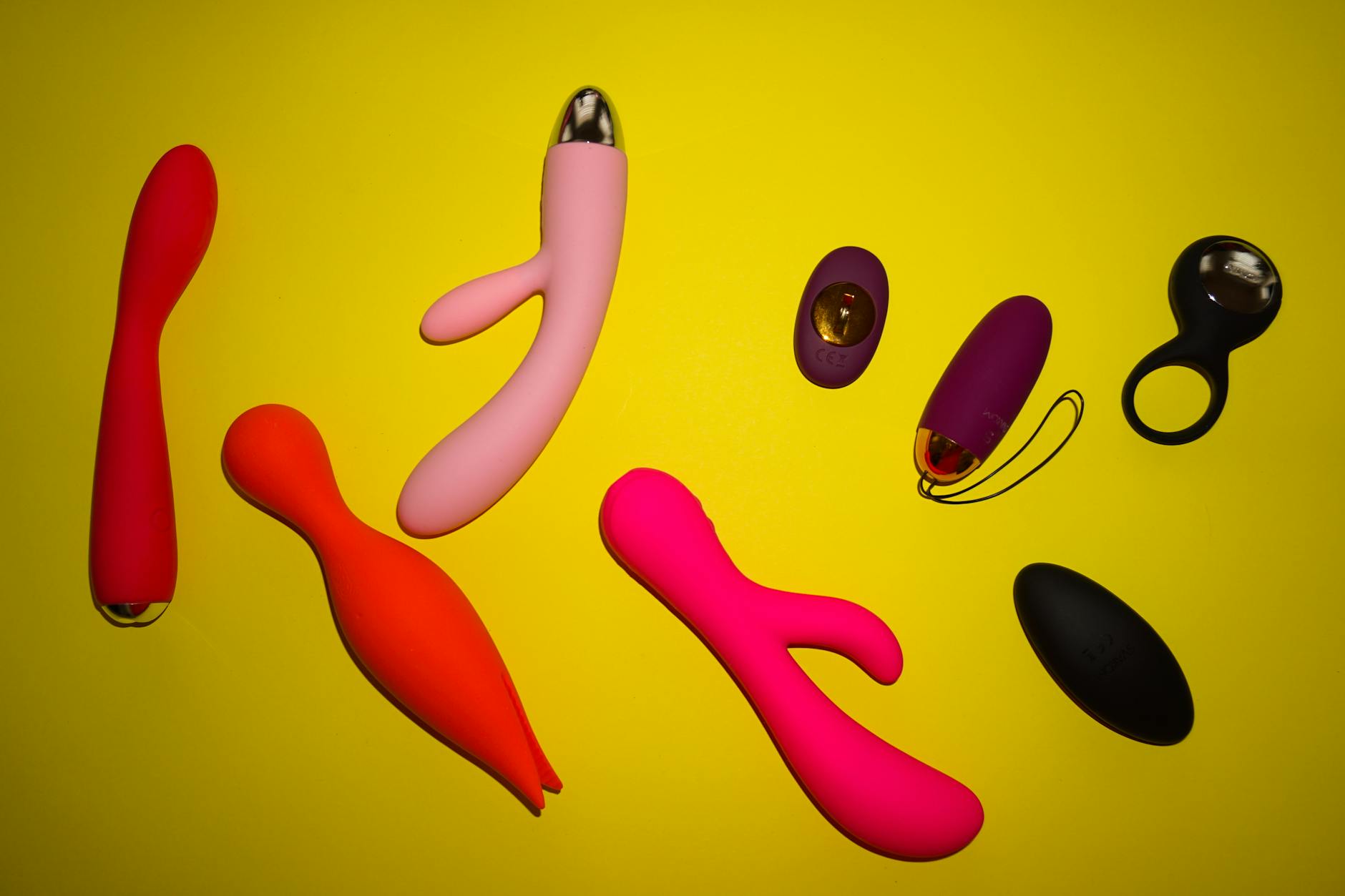
Lemon vibrators are designed for consistent, reliable clitoral stimulation. They're not flashy or intimidating. The aesthetic is playful, not medical. That matters psychologically. A partner who's anxious is more likely to feel okay with something that doesn't look clinical or aggressive.
Also, the specificity of the sensation means you're likely to have a visible response. That matters to your partner. If they can see and feel that something is working, the shame often dissolves. They're not failing. You're just different.
The bigger picture shift
Here's what usually happens after a few times: performance anxiety doesn't vanish, but it softens. Your partner learns that your pleasure isn't dependent on their performance. You learn to ask for what you want without shame. Sex stops being about proving something and starts being about connection.
That's worth the slightly awkward conversation at the beginning. Your partner's anxiety is understandable, and so is your desire for pleasure. A lemon clitoral vibrator is one honest way to honor both.
FAQ
Will using a vibrator make my partner feel inadequate?
Not if you frame it as "we're exploring this together." The opposite usually happens. Most partners feel relieved when the pressure lifts. They get to focus on closeness instead of performance. If your partner does feel inadequate, that's a sign that the underlying anxiety needs attention from both of you, possibly with a therapist.
How often should we use it if my partner is anxious about it?
There's no rule. Use it when it feels right. Some couples use it every time. Some use it occasionally. The goal isn't to replace other forms of intimacy. It's to give yourselves another tool that works. Let it evolve naturally instead of making it mandatory.
Can my partner use the vibrator on me if they're nervous about it?
Absolutely. That can actually be less pressure than you using it while they watch. They have something to do with their hands. They're engaged. Some partners find this transition easier. Try it if it feels right.
What if my partner refuses to try a vibrator at all?
That's their boundary, and it's worth respecting. But it's also worth understanding why. Is it shame? Is it feeling replaced? Is it just unfamiliar? Sometimes a longer conversation helps. Sometimes the answer is "not right now, maybe later." Sometimes you need professional help to move past it.
Is performance anxiety the same as erectile dysfunction?
No, though they're related. Performance anxiety is psychological worry about sexual performance. Erectile dysfunction is a physical inability to maintain an erection. They often feed each other. If your partner has ED, a vibrator can help because it removes the pressure for penetrative sex, which sometimes helps erections return naturally. But if ED is persistent, that's also worth discussing with a doctor.
How do I know if my partner is faking comfort with the vibrator?
Pay attention to their body language. Are they relaxed, or tense? Are they engaged with you, or withdrawn? Do they ask to do it again, or do they seem relieved when it's over? You can also just ask: "How did that feel for you?" and listen to the answer. If they say they're fine but seem off, check in again later. Trust your instinct.
The real point
Performance anxiety thrives in silence. It grows when nobody names it. Using a lemon clitoral vibrator together is actually a conversation starter. It says out loud: "Our pleasure matters. Your anxiety matters. Let's figure this out together." That honesty, more than the vibrator itself, is what rebuilds trust and desire. When you read more about how lemon vibrators help improve communication with your partner, you'll see this theme emerge again and again. Vulnerability creates connection. And connection is where real pleasure begins.