Let's talk about the transition
Switching between partners is awkward. There's no way around it. You're recalibrating everything. What worked with Person A might feel weird with Person B. The pressure you felt to perform quickly is gone, then suddenly it's back again. Your body doesn't magically reset when a new person enters the room, but your mind absolutely does. And honestly, that's where most of the friction lives.
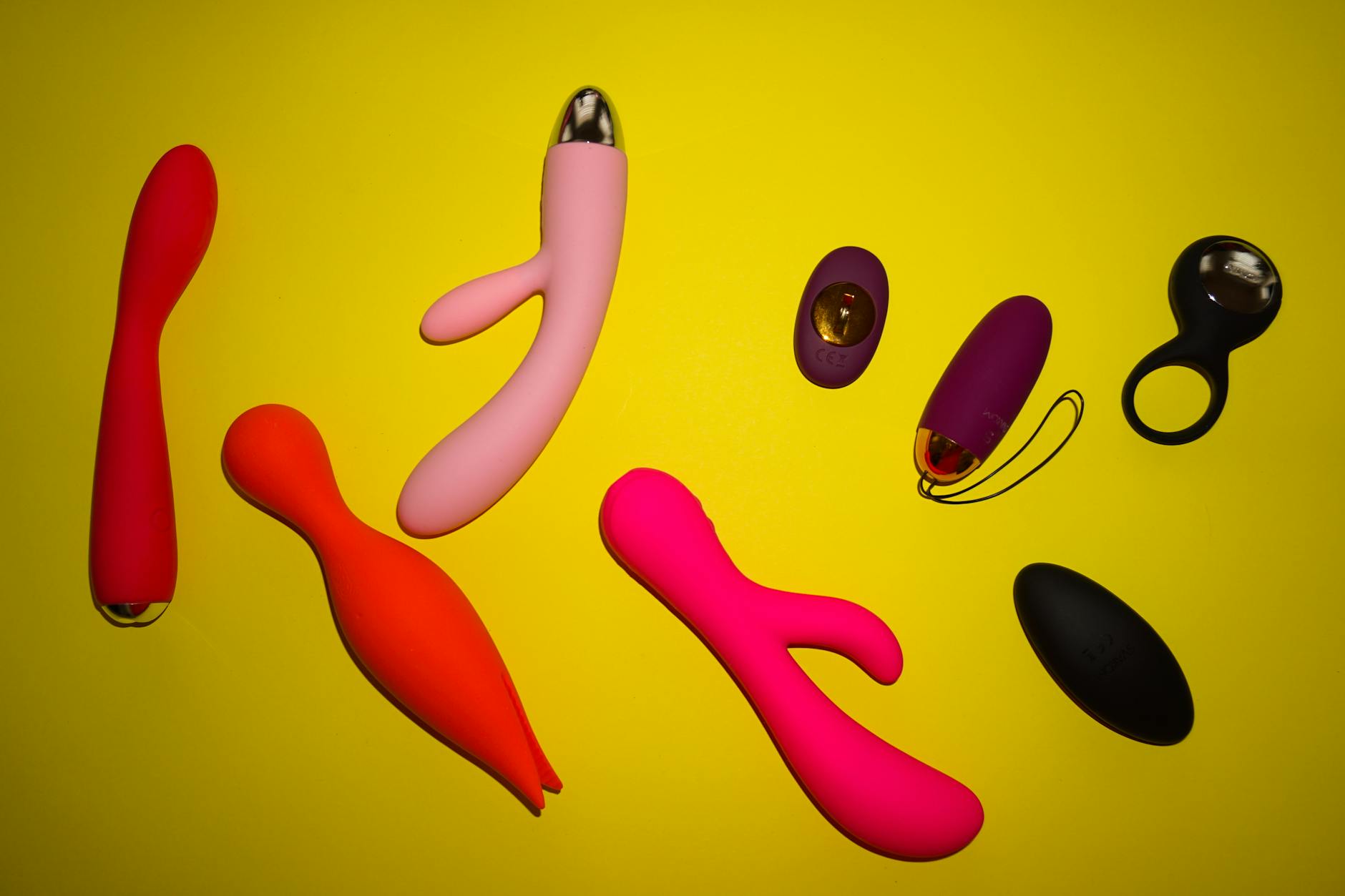
Lemon vibrators are particularly useful here because they shift the dynamic away from what your partner is doing and back toward what you actually need. They become a tool for clarity, not shame. And clarity is what makes transitions between partners feel less chaotic.
Why switching partners disrupts your pleasure baseline
When you're with someone new, your arousal pathway changes. It's not just psychological. Your nervous system is literally registering novelty, sometimes excitement, sometimes anxiety. The things that worked with your last partner might have been calibrated over months or years of feedback loops. With someone new, you're starting from zero.
There's also the unspoken question: Am I allowed to be this direct about what I want? Does this person think it's weird that I want a toy? What if they take it personally? These questions live in your body before they live in your brain, and they can absolutely flatten arousal.
A lemon clitoral vibrator does something really valuable here. It removes the pressure for them to be the only source of your pleasure. It also gives you explicit permission to prioritize sensation over connection, at least in the moment. That permission is harder to access when you're worried about someone's feelings.
The reset conversation you need to have
Before you introduce a lemon vibrator to a new partner, you're not actually talking about the toy. You're having a conversation about your pleasure being non-negotiable and separate from your feelings about them.
Here's what that sounds like: "I want to be really present with you. One thing that helps me do that is using a vibrator during sex. It's not about what you're doing or not doing. It's about what my body needs to relax and stay aroused." You can add: "I'd actually love if you could be involved. You could use it on me, or we could use it together."
The key words here are "helps me be present" and "non-negotiable." Both are true. A lemon clitoral vibrator genuinely does help you stay in your body instead of in your head, which paradoxically makes partnered sex better for both of you.
If someone reacts badly to this, that's information. You're not asking permission. You're giving them a heads-up about how your pleasure works. If they can't handle it, that's a compatibility issue, not a you issue.
Different partners, different sensations
One partner might prefer you to orgasm before penetration. Another might want to watch you use a vibrator during. A third might want the toy involved throughout. None of these is right or wrong, but they all require you to have different expectations going in.
With a new partner, spend the first few times alone with your lemon vibrator beforehand. This sounds counterintuitive, but it's actually essential. You're reminding your body what consistent pleasure feels like. You're also creating a neutral sensory baseline so you can tell the difference between "I'm less aroused because this person doesn't work for me" and "I'm less aroused because I'm nervous."
When you know what your own baseline is, it becomes way easier to ask for what you need without it feeling like criticism.
The communication thing
Switching between partners requires you to say things you might not have needed to say before. "That feels good. Can you go slower?" "I need clitoral stimulation to come. It's not optional." "I want to use my lemon vibrator now." These are sentences that get easier the more you say them, but the first time is always awkward.
One strategy that helps: frame it as curiosity, not complaint. "I'm curious what happens if we try this" lands differently than "This isn't working." It's also more true. You genuinely don't know how this person will respond to direct communication. You're testing it out.
Another thing that helps: give them a job. "Can you hold the lemon vibrator and move it how you think feels good?" immediately shifts them from being a bystander to being a participant. Suddenly they're not wondering if the vibrator means they're failing. They're actively involved in your pleasure.
When you're the one who needs to slow down
This is the flip side that doesn't get talked about enough. Sometimes switching between partners means you actually need more time to build arousal than you did before. Maybe your last partner was all hands and intensity. Your new partner is slower, more touch-focused. Your body doesn't know how to respond yet.
Lemon vibrators are great here because they work independently of pacing. Your partner can take their time with touching, kissing, or whatever their style is. Meanwhile, a lemon clitoral vibrator is doing its job, building sensation at the speed your nervous system needs.
This isn't laziness or a sign the chemistry is bad. It's just recalibration. Give it time.
The phantom sensation problem
If you've been using intense toys regularly and then switch partners, sometimes you'll notice your clit feels less responsive for a while. This is real, but it usually resolves on its own within a few weeks if you give your body a break from the toy and let partnered touch do the work.
But here's the thing: if you're panicking about sensitivity changes and spiraling about chemistry, that anxiety will absolutely kill arousal. So sometimes the best thing a lemon vibrator can do is prove to you that sensation is still there. You use it, you feel it, you remember that your body works. Then you can relax into partnered sex without the anxiety narrative running underneath.
The jealousy or rejection conversation
Some partners feel threatened by toys. This usually isn't actually about the toy. It's about fear that you'll eventually prefer the toy to them, or that introducing a toy means they're not enough. This is a reasonable fear to acknowledge, and it deserves a real answer.
The answer is: you can't have an orgasm from someone's feelings about you, no matter how much you love them. Your pleasure is a physiological need, not a referendum on them. You can care about someone deeply and still need tools to access your own body. These things coexist.
If a partner remains hostile to this after you've explained it a few times, that's information about whether they can be present with your whole self. Some people can't, and that's sad, but it's not your job to shrink your needs to fit their insecurity.
When everything feels different
Honestly, sometimes it takes a few months before pleasure with a new partner feels natural. Your nervous system is still in evaluation mode. You're still deciding if you trust them. That's completely normal and doesn't mean the chemistry is bad.
In that window, a lemon vibrator can be a bridge. It gives your body permission to feel good even while your mind is still deciding. It also takes pressure off your partner to be the sole architect of your pleasure while you're both still figuring each other out.
The goal isn't to use the vibrator forever. It's to use it long enough to build arousal scaffolding that makes partnered sex feel less effortful. After a few months, most people find they need it less frequently, or want to incorporate it differently. But there's no deadline. If you always want to use a lemon clitoral vibrator with partners, that's fine too.
FAQ
How do I bring up using a vibrator with someone new without making them feel insecure?
Frame it as information about your body, not a critique of theirs. "I've found that I get more present with a vibrator, and I want to be really present with you" is radically different from "I can't come without a vibrator." One is about your needs. The other sounds like their failure. Practice saying it out loud a few times so it doesn't sound rehearsed.
What if my new partner wants to use the vibrator on me, but their technique is different from what I'm used to?
Give feedback gently and specifically. "A little higher" or "Can you keep it on this spot?" or "A bit faster" is so much clearer than silence or fake enthusiasm. Most people genuinely want to know what works. They're not mind readers.
Can I use the same vibrator with multiple partners, or does that feel weird?
Logistically, wash it between partners (check the care guide at /care for specifics). Emotionally, it's entirely up to you. Some people find it grounding to have the same tool across different relationships. Others prefer to have separate toys with different partners. There's no rule.
How long should I wait before introducing a vibrator to someone new?
There's no timeline. Some people introduce it the first time. Others wait until they've been together a few months. The only hard rule is that you should feel comfortable and they should not be shocked (meaning you've mentioned it or shown interest in it before you're both naked). Read the room.
What if my new partner wants to use a vibrator but I feel self-conscious?
That self-consciousness usually fades once you realize how good it feels and how into it they are. If it doesn't fade, that's worth exploring separately. Self-consciousness during sex often points to something bigger about how safe you feel with that person or in your own body.
Does using a vibrator with someone mean I'm less attracted to them?
No. Attraction and physiological response are separate things. You can be wildly attracted to someone and still need a vibrator to access your arousal fully. These things coexist constantly. The myth that real desire means you don't need tools is just that. A myth.
You're not starting over. You're starting different.
Switching between partners doesn't erase what your body learned before. It just means you're applying it in a new context. A lemon clitoral vibrator isn't a crutch. It's a translator. It helps you speak your body's language to someone who hasn't learned it yet. And it gives you time to figure out if they're worth teaching.
If you want to talk through how to navigate pleasure conversations with a new partner more broadly, reach out. We can work through the specific dynamics you're facing.