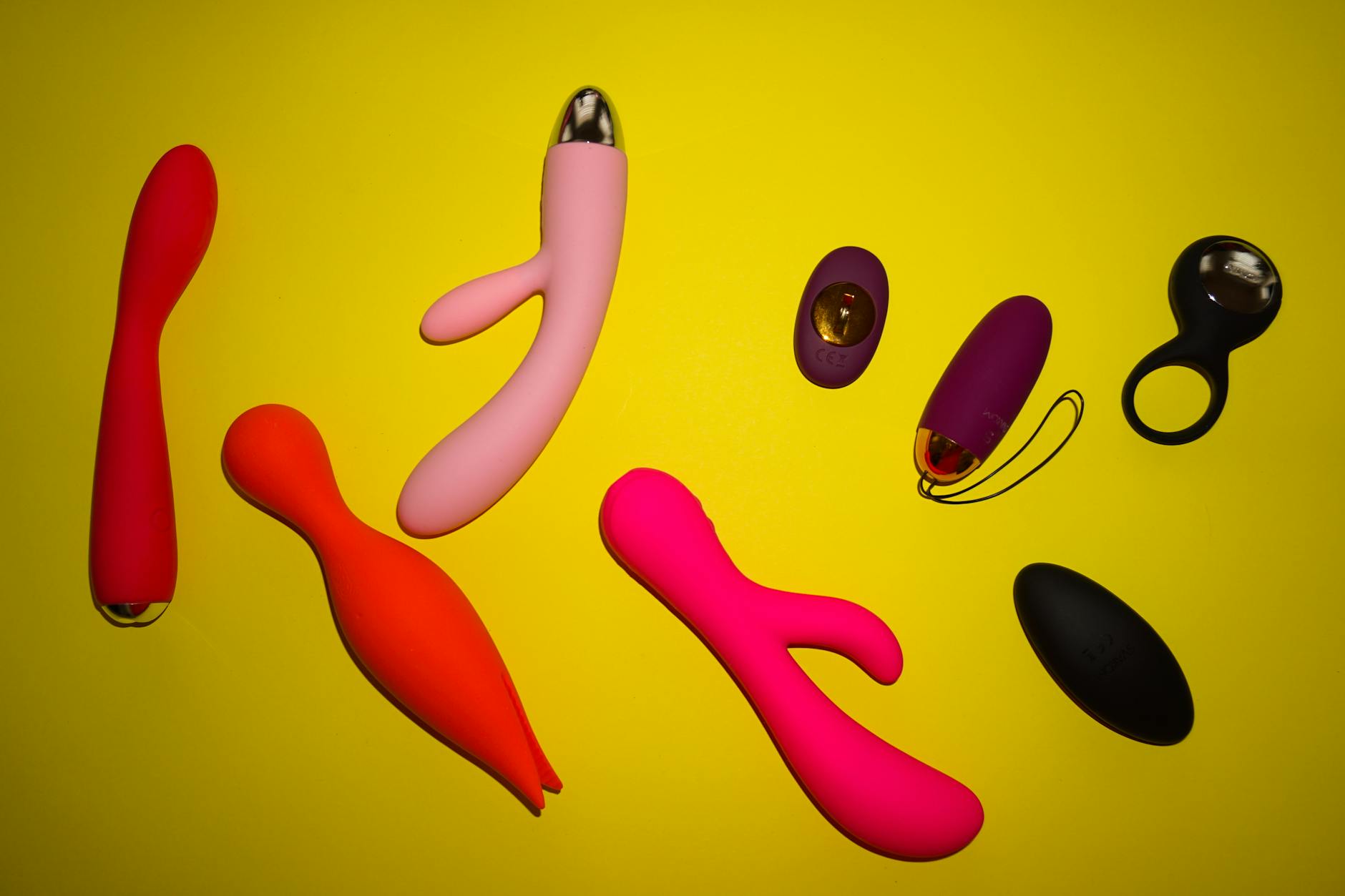
Let's name what's actually happening
You want to use a vibrator with your new partner. But there's this voice that says: if you need a toy, you're too much. If you ask for it, they'll think you're broken. If you introduce pleasure tools too early, they'll leave.
That voice isn't protecting you. It's keeping you small.
Shame around pleasure in a new relationship is wildly common, especially if you grew up with messages that good girls don't ask for what they want, or that wanting sex means something unflattering about you. It compounds when you're dating someone new because rejection feels higher stakes. The stakes aren't actually higher. But the old stories get louder.
Here's what I know after years of working with couples: partners who are genuinely worth keeping WANT you to have pleasure. Not in a performative way. Actually want it. And if you're with someone who doesn't, that's information you need early.
The shame piece isn't about the vibrator
It's about asking. It's about wanting. It's about being visible in your desire.
Lemon clitoral vibrators are just tools. They're not a referendum on your body, your relationship, or your worth. But introducing one often forces you to confront the voice that says your pleasure isn't safe to claim in front of another person.
That's the real work. The vibrator is just the catalyst.
When shame wraps around pleasure, you tend to do one of three things: hide it completely (and resent your partner for not noticing you're faking), perform around it (and exhaust yourself), or avoid sex altogether (and tell yourself you're just not that interested). None of these are sustainable. All of them damage the relationship more than a simple conversation ever would.
The Lemon vibrator isn't the problem your shame is protecting you from. It's the gateway to intimacy actually mattering.
What shame-free introduction looks like
First: separate logistics from emotion. You're not asking permission. You're sharing information.
Try this framing instead of "I need to talk about something scary":
"I want our sex to feel really good for both of us. I've had a lot more fun with clitoral stimulation, and I'm curious about exploring that together. I'm thinking about using a vibrator sometimes. I'd love your thoughts."
Notice what's happening here. You're naming what you want. You're inviting collaboration. You're not apologizing. You're not framing it as something wrong with the relationship or something you're "allowing yourself" to do.
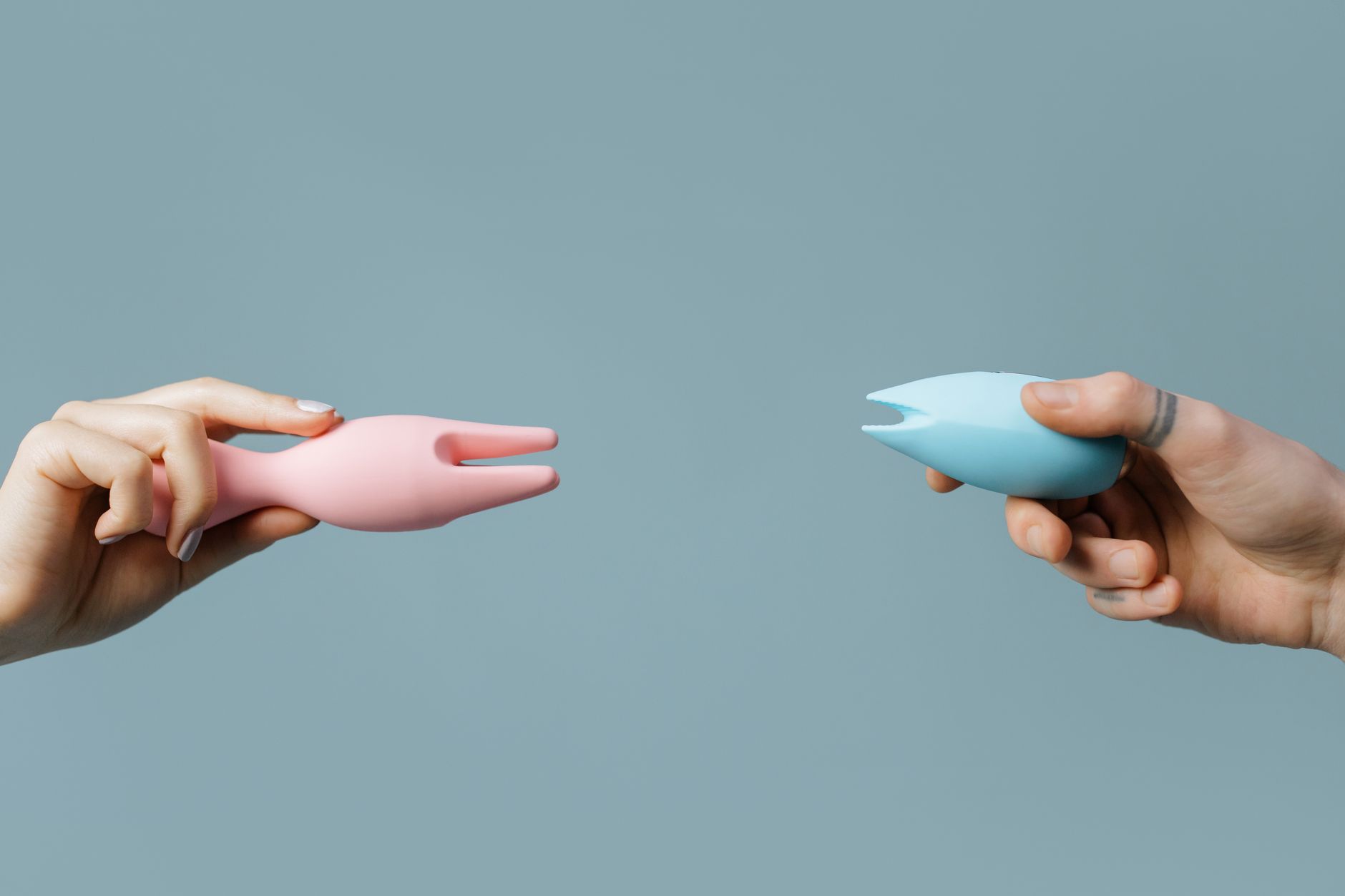
Photo by cottonbro studio on Pexels
Then give space for questions. Don't rush to defend or explain. If they ask "why do you need it?", the honest answer is often "I don't need it. I want it. There's a difference." People with clits get more consistent pleasure with external clitoral stimulation. That's anatomy, not inadequacy.
If they ask "does that mean I'm not enough?", the answer is no, and here's why: a vibrator and a partner do different things. A vibrator is mechanical consistency. A partner is presence, connection, someone who can adjust based on your breathing and sounds and feedback. You want both. That's not scarcity. That's abundance.
Timing matters, but not the way you think
Wait until you trust them a little. Not until you're sure they won't leave. That's a trap. You'll wait forever.
Trust enough to have a real conversation. Trust enough that you've seen them handle other vulnerable moments okay. Trust enough that you're not using the vibrator introduction as a test.
Introduce it early enough that it becomes part of your normal sex life, not a last resort when things feel stuck.
Most couples I work with introduce pleasure tools between week three and month two. Early enough that it's not loaded with "we're broken, let's fix it." Late enough that there's some foundation there.
Also, timing is different from momentum. Don't wait until you're in bed and things are happening. Bring it up when you're both clothed and calm. Maybe during a walk. Maybe over coffee. Definitely not in the moment when you're already vulnerable.
How the conversation actually goes
You've done the framing. You've picked a good moment. Now what?
Listen more than you talk. When someone hears "I want to bring a vibrator into our sex life" and their first response is confusion or hesitation, they're not rejecting you. They're usually just surprised or processing. Give them space to land in it.
If they say something like "I thought you liked what we were doing," the answer is: "I do. And I also like this other thing. Both can be true."
If they say something like "that seems clinical," the answer is: "It might seem that way at first, but I think it could actually feel really good for us. I could show you what I mean."
If they say "no," that's information too. It's hard information, but it's real. You get to decide if that's a dealbreaker. My guess is if they understand pleasure is nonnegotiable for you, they'll come around. And if they don't, you know early.
The shame-breaking moment is in the asking
Here's the thing about using a Lemon vibrator with a new partner when you carry shame: the first time is the scariest. Not because the vibrator won't work. It will. But because you're saying out loud "I matter enough to ask for what feels good."
That's the real vulnerability. That's where the shame lives.
Your brain is going to try to protect you by catastrophizing. "They'll think I'm needy." "They'll lose interest." "I'm being too demanding." These aren't predictions. They're fear wearing a reality costume.
What actually happens when you ask for pleasure in a mature way: you find out if your partner is emotionally capable of generosity. You find out if they can handle you being a full person with wants and edges. You find out if they're worth keeping.
Making it easy for both of you
Don't hand them the vibrator on a first date. But when you introduce it, offer to show them how it works on you first. Pleasure is less threatening when there's education and when it's not about penetration or performance.
Lemon clitoral vibrators work beautifully in partnered contexts because they're external. Your partner can still touch you, still be involved, still have a role. The vibrator isn't replacing them. It's augmenting.
Start with lower intensity settings if you're new to using toys with a partner. There's something about shared vulnerability that makes sensation feel bigger. You don't need maximum settings to have a great experience.
Keep talking. "That feels amazing." "Can you slow down?" "I want to try it like this." Communication isn't a mood killer. It's the permission structure for both of you to be present.
What shame-free pleasure actually feels like
It doesn't feel performative. It doesn't feel like you're doing something wrong and hiding it. It feels like you're telling the truth with your body and another person is meeting you there.
When you bring a Lemon vibrator into sex with a new partner, and you do it without shame, something shifts. You're not just having sex. You're saying: this is what pleasure looks like for me. This is how I want to be touched. This is what my body needs. And I'm inviting you to be part of that.
That's intimacy. That's the opposite of shame.
Your partner doesn't have to understand why you want this. They just have to understand that you do. And if they're worth your time, they'll want to give it to you.
FAQ: Shame, vibrators, and new partners
What if my partner thinks using a vibrator means they're not satisfying me?
That's a common misunderstanding, and it's worth naming directly. About 75% of people with clits don't orgasm from penetration alone. That's not a partner failure. That's biology. A vibrator is about clitoral stimulation, which is a different pathway than penetration. You can enjoy both. Frame it that way. "I love what we do together. I also want to explore this other thing that feels good for my body." Make sure they know pleasure isn't a finite resource. Your orgasm from a vibrator doesn't diminish what you feel for them.
Is it too soon to bring this up if we've only been dating a few weeks?
Not if you're already having sex. If you're intimate, you're intimate enough to talk about pleasure. What matters is the conversation, not the timeline. People often wait because they think early dating should feel easy and effortless. It shouldn't. Early dating should feel honest. If you're already faking or modifying your pleasure to keep them interested, that's the real problem. Address it by being truthful. The right person won't run.
What if I've had partners in the past who made me feel bad about wanting vibrators?
That happened. It wasn't okay. It also doesn't get to keep happening. One of the things shame does is make you check yourself before your partner even has a chance to react. You're already agreeing with the criticism before they've said a word. With a new partner, you get to rewrite the story. You get to assume they're capable of generosity until they prove otherwise. That's not naive. That's giving yourself a chance.
How do I introduce the vibrator without it feeling awkward in the moment?
Plan it. Literally. "Next time we're together, I want to try something. I've got a vibrator I'd love for us to experiment with. How do you feel about that?" Then you've had the conversation already. When the moment comes, it's not a surprise. It's something you both said yes to. That removes 90% of the awkwardness because awkwardness is usually just unspoken tension. Speak it.
What if I'm worried they'll use it against me or judge me later?
Listen to that worry. It's real data. If you're already afraid your partner will weaponize your vulnerability, that's not a safe relationship. That's not a shame problem. That's a trust problem. Take time to observe how they handle other vulnerable moments before you introduce this one. Do they respect confidences? Do they tease you about things you've shared? Do they bring up old stuff during arguments? If yes, protect yourself. You don't owe anyone access to your vulnerability before they've proven they can be trusted with it.
Should I use a Lemon vibrator or try something else first?
Lemon clitoral vibrators are excellent for partnered play because they're intuitive and they're designed for external pleasure. If you're new to vibrators, a Lemon is a solid entry point. But what matters more is that you're using something you actually enjoy. Pleasure isn't one size. Pick what excites you. Then bring that to your partner with confidence.
The bigger picture
Shame around pleasure in a new relationship is about more than vibrators. It's about whether you get to be a full person with a partner. It's about whether your desires matter. It's about whether you can ask for what you want without disappearing.
Introducing a Lemon vibrator is just the container. The real work is believing you deserve pleasure that feels good to you, not just pleasure that's convenient for someone else.
Your new partner doesn't need to understand vibrators. They need to understand that your pleasure matters. If they do, the vibrator is easy. If they don't, no toy will fix it.
Go have the conversation. Your body's been waiting.