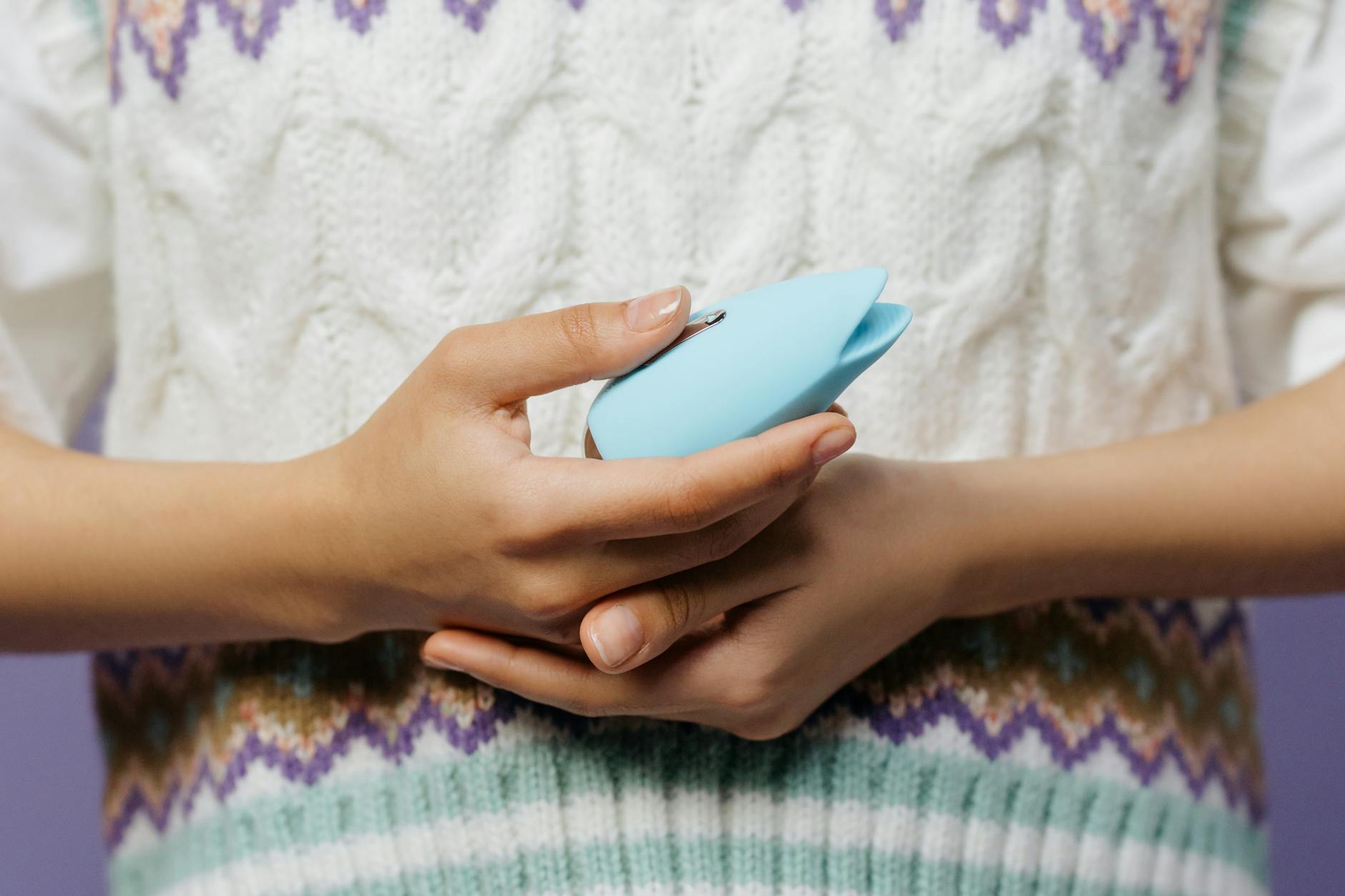
Let's be honest about the awkward part first
Introducing a vibrator to someone new feels high-stakes. You're not just saying "I like vibrators." You're also saying "I want to experience pleasure with you," and somehow that simple sentence can feel loaded with risk. What if they take it the wrong way? What if they feel inadequate? What if the moment gets weird?
Here's what I've learned from years of working with couples navigating this: the awkwardness almost always comes from silence, not from the vibrator itself. The device is just rubber and electricity. The real conversation is about desire, comfort, and what you both want from sex together. Once that conversation happens, the vibrator becomes practical instead of symbolic.
Why the timing matters more than you think
I'm not going to tell you there's a magic number of dates before you mention clitoral vibrators. That's different for everyone. But I will tell you what usually works: after the early-stage nervousness has worn off, but before you've built an entire sexual rhythm together that feels fixed.
If you introduce it in week two, it can feel impulsive and unfamiliar. If you wait until month eight and suddenly add something new, it can feel like a subtle critique of what you've already been doing together. The sweet spot is usually around month two to four, once you've both relaxed into your bodies with each other but haven't yet crystallized a "this is how we have sex" pattern.
The other timing thing that matters: not during sex. Bring it up beforehand. Talking about a lemon vibrator or any clitoral vibrator during foreplay feels reactive and defensive. Talking about it over coffee or on the couch feels like actual communication.
How to start the conversation without it feeling like a performance review
Don't lead with the vibrator. Lead with desire.
Instead of: "I was thinking we could try using a vibrator," try: "I want to show you something that makes my body feel amazing, and I'd love to share that with you."
The first version puts the device in the spotlight. The second version puts your pleasure in the spotlight, which is where it should be. Your partner isn't threatened by a tool. They might be threatened (consciously or not) by the idea that something feels better than they do. So don't start there.
When you do mention it, be specific about why. "I come harder with vibration" or "I love the pattern on the Lem, it feels different than anything else" gives context. It's not "you're not enough." It's "my body works this way, and I'm inviting you into it."
Most partners, once they understand that clitoral vibrators are about access to pleasure, not a replacement for them, get it. Some even become genuinely curious. A few might need time. That's okay.
What to expect the first time you use it together
Your body might react differently than it does alone. That's completely normal. When someone you're attracted to is watching and touching you, your nervous system behaves differently. You might take longer to come. You might come faster. You might not come at all, which sounds like failure but isn't. It's just a different context.
Talk about that expectation beforehand. "I want to try this, but my body might respond differently than when I do it solo. That doesn't mean anything is wrong." This removes the pressure on both of you to perform a certain way.
Start slow. If you're using a lemon clitoral vibrator, try starting on a lower pattern and building up rather than jumping to maximum intensity. Let your partner feel the vibration patterns too, if you're comfortable. Some of the best moments happen when they feel what you're experiencing, literally holding the device with you.
If it feels awkward the first time, that's information, not a failure. Sometimes the awkwardness melts away after a second or third time. Sometimes it's a signal that the timing was off, or the communication wasn't quite right.
Building comfort and curiosity over time
The most successful couples I work with don't rush this. They treat it like any other part of building sexual chemistry. First time is exploratory and a little nervous. Second time is less nervous. Third time, they start playing with it.
Maybe your partner starts learning your body more deeply because they can feel exactly what vibration pattern makes you respond. Maybe they discover they enjoy using the vibrator on you, which gives them a different role in your pleasure. Maybe they get curious about their own response to vibration.
Or maybe they use it sometimes and don't think about it other times. That's fine too. Not every tool becomes a staple. Some become favorites. Some are good options that you reach for occasionally.
The key is keeping the door open for curiosity without pressure. "Want to try something new tonight?" is very different from "We should use the vibrator." One invites exploration. The other sounds like homework.
When your partner has their own concerns about introducing toys
Sometimes a partner worries that a vibrator means they're not satisfying you. That's coming from insecurity, and the solution is reassurance plus proof. Show them how you use it solo first, if you're comfortable. Let them see that it's a sensation you're adding to what you already have together, not a substitution.
Other times a partner worries about performance or pace. "Will you only come with the vibrator now?" or "Does this mean I'm doing something wrong?" These are fair questions that deserve honest answers. Most of the time, clitoral vibrators aren't a requirement. They're an option that feels good.
If your partner has had bad experiences with vibrators in past relationships, that's real. Don't brush it off. Ask what happened. Ask what would make them more comfortable. Sometimes it's just needing to know you're choosing them and the device, not choosing the device instead of them.
If your partner is genuinely uncomfortable with toys and that matters to you, that's a compatibility question you're now surfacing early, which is actually valuable. You get to decide what you need from sex and whether a partner can meet you there.
The practical stuff that actually helps
Keep the lemon vibrator charged and accessible. I know that sounds basic, but "I want to try that thing" followed by ten minutes of hunting for batteries kills the mood fast. If it's always ready and in a drawer you both know about, it becomes normalized faster.
Use good lube. Vibration works better with lubrication. Water-based is safe with any vibrator material. It's not about adding comfort as much as it is about letting the vibration pattern do what it's designed to do.
Talk during the experience if you want to. "That pattern feels good" or "Go slower for a second" isn't awkward. It's directing your own pleasure while your partner is part of it.
After, clean it, dry it, and put it away. Leaving a vibrator out on the nightstand next to a lamp that doesn't turn on anymore sends a weird message. Treat it like the practical tool it is.
What actually changes in a relationship once you've done this
You've shown your partner your body more honestly. You've said "this is what I need to feel my best." That vulnerability, once it's out there, usually deepens things. Your partner knows you better. You feel seen.
Sometimes it opens conversations about other desires too. If you can talk about vibrators, you can talk about other things you want to explore. Pleasure becomes collaborative instead of something you're managing on your own.
And sometimes it just becomes background. You have vibrators in your relationship now, same way you have condoms or lube. It's part of your toolkit. Not every session uses every tool, but they're there when you want them.
Frequently asked questions
What if my new partner thinks introducing a vibrator is a red flag?
That's a compatibility signal showing up early, which is actually useful information. A partner who sees your pleasure as threatening rather than something to celebrate might have other patterns worth paying attention to. In healthy relationships, the goal is mutual pleasure. If someone can't support that, that's about them, not about you or the vibrator.
How many dates should I wait before mentioning lemon vibrators?
Think in terms of comfort level, not a specific timeline. Wait until sex feels natural and you're past the "everything is new and nervous" phase, but before you've locked into a routine that feels immovable. For most people, that's somewhere between month two and four. The key is that you both feel relaxed enough to talk about bodies honestly.
Can I just surprise my partner with a vibrator during sex?
Generally, no. Surprises work great for flowers. They work poorly for anything going inside or in close contact with someone's genitals. Your partner deserves a heads-up so they can mentally prepare and decide if they're interested. Consent is sexy. Surprise toys are usually awkward.
What if we try it and it doesn't feel good?
That's completely normal. Sometimes intensity is too high, sometimes the angle is off, sometimes the moment just doesn't feel right. You can pause, adjust, or save it for another time. Not every experience needs to be perfect. Just needs to be honest.
Should I be worried my partner will want to use it on me in ways I haven't thought about?
This is where communication stays important. You can absolutely set boundaries. "I like when you use it this way, but not that way" is valid. You can explore patterns and placements together over time. It's your body. You get to decide how it's used.
Is it weird if my partner gets more interested in the vibrator than I expected?
Not at all. Some people have never experienced clitoral vibration on a partner before. For them, it's genuinely new and exciting to feel how your body responds. That curiosity is usually a good sign. They're paying attention to your pleasure. Let them enjoy that learning curve.
Introducing clitoral vibrators like the Lem vibrator into a new relationship doesn't have to be complicated. It's really just an extension of good communication, which is the foundation of good sex anyway. Start with honesty. Move at a pace that feels right for both of you. Stay curious about each other. Everything else follows from there.