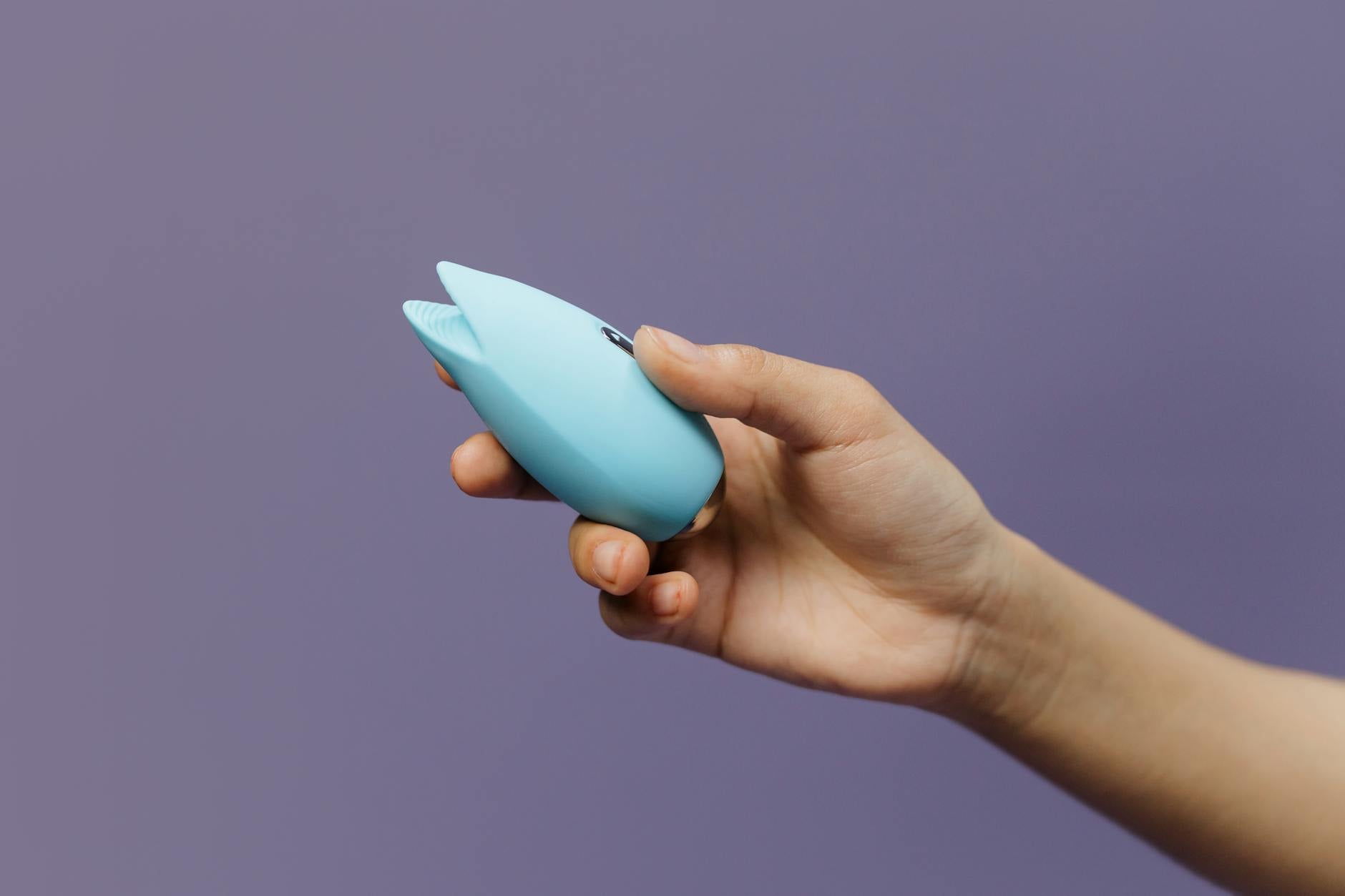
Here's what nobody tells you about new partners
Your body changes when there's a new person involved. Not because you're broken, not because there's something wrong with you—but because arousal is neurological, and your nervous system is in a different state.
Maybe you had incredible sensation with an ex. Now, with someone new, even when you're attracted to them, touch feels muted. Or maybe it works sometimes and then doesn't, which feels worse because at least inconsistency forces you to question what's happening. The frustration is real, and it's wildly common.
The physiology of sensation shift
When you're with someone new, your brain is processing more data: trust levels are forming, you're reading micro-expressions, your attachment system is still calibrating. That mental load literally reduces the blood flow available for arousal. It's not a reflection on them or on you. It's neurobiology.
Add in performance pressure ("Will this feel good for them? Am I taking too long? Do I look okay right now?") and your parasympathetic nervous system—the one that has to be active for pleasure—gets quieter. Your body is in a mild state of vigilance, which is the opposite of the relaxation needed for sensation to build.
Lemon clitoral vibrators, and specifically suction-based lemon sexual toys, work here because they do two things at once: they externalize the stimulus (so you're not relying on someone else's touch to be exactly right), and they activate sensation through a different mechanism than manual stimulation, which can bypass some of the psychological interference.
Why lemon vibrators work differently with new partners
There are three reasons lemon adult toys help when sensation feels different:
The safety net. A vibrator is something you control entirely. You can adjust intensity, stop instantly, or take a break without having to manage another person's feelings or explain why. That autonomy alone reduces performance anxiety, which is often the actual blocker—not the body itself.
Redundancy without replacement. You're not saying "I need this because your touch isn't enough." You're saying "I want to add this because my nervous system responds better when I have multiple sources of input." That's honestly what's happening neurologically. The vibrator quiets one part of your brain so the rest can focus on connection.
Consistency. Unlike hands (which get tired, change pressure instinctively, sometimes land in less ideal spots), a lemon vibrator maintains exactly the same pattern. For someone rebuilding sensation with a new partner, that predictability is grounding.
How to introduce it without the awkwardness
The communication piece matters more than the toy. Here's what works:
Bring it up outside the bedroom first. "I've been thinking about adding something to our sex life. My body responds better when there are multiple sensations happening, and I want to explore that with you." Notice the language: "my body responds better," not "your touch isn't working." True statement. Literally about your neurology, not their skill.
Show them the actual toy. Let them hold it, see it's not intimidating. If it's a lemon clitoral vibrator like the suction-based ones, explain how it works. The concrete details matter because they displace shame. You're being clinical about something intimate, which actually builds trust.
Try it solo first so you know what you're doing. The worst moment is when the vibrator arrives, you've never used it, and now there's pressure to make it work immediately with someone watching. Spend a night alone, test the settings, figure out what intensity and pattern you actually like. Then, when you bring it into partnered sex, you're not learning and performing simultaneously.
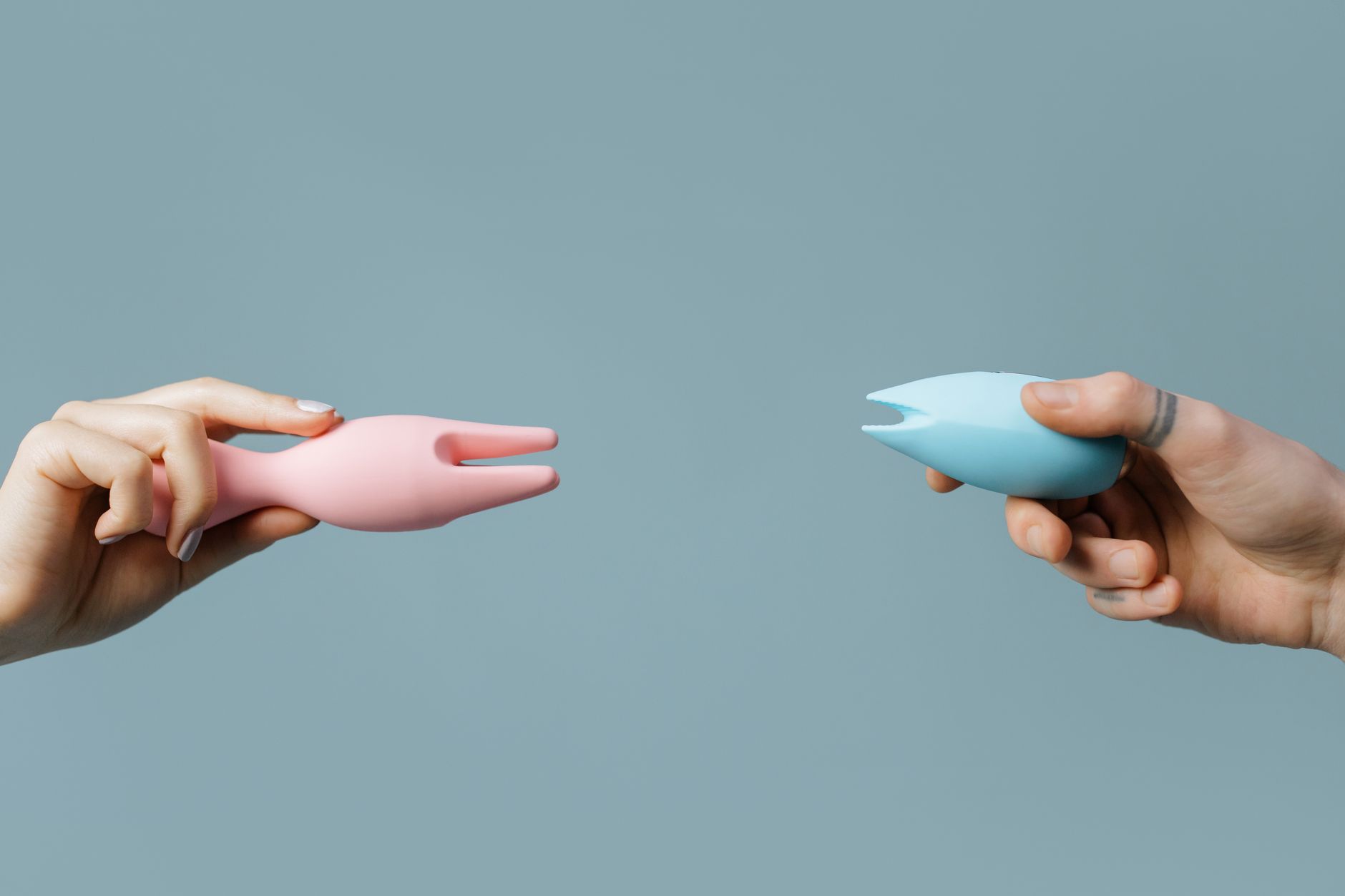
Photo by cottonbro studio on Pexels
The actual techniques that work
Once you've introduced it, here's how to use lemon vibrators when sensation feels muted:
Start before arousal builds. Don't wait until you're already stimulated and nothing's happening. Bring the vibrator in early, when you're still in the warm-up phase. This prevents the frustration spiral of "we're trying and it's not working." Instead, it's just part of the progression.
Use lower intensity than you think. New partners often fumble the settings. Start at level 1 or 2. Sensation gets muted partly because you're nervous; cranking intensity to 10 can feel overwhelming rather than good. Let your body acclimate to the vibrator's sensation first.
Hands-off versus partnered touch. Some people prefer the vibrator solo while the partner focuses on other touch (kissing, penetration, hands elsewhere). Others want their partner to hold the vibrator or apply it while they focus on connection. There's no right answer. Communicate which feels better in the moment.
If you're looking to rebuild sensation after other challenges, the same principle applies: let the vibrator do heavy lifting while you manage the emotional side of sex with your partner.
What to do if the vibrator makes them uncomfortable
Some new partners have weirdly strong reactions to toys. "Does this mean I'm not enough?" or "I feel like I'm being replaced." This is their thing to work through, but you can help.
Reframe it as collaborative. "I want you involved in this. I want to show you what works for my body." Then actually do that. Have them hold it sometimes. Let them watch you figure out what feels good. The goal isn't secret solo pleasure; it's expanding what's possible together.
If they're genuinely not ready, you have three options: wait until they are (don't delay your own pleasure indefinitely), use it only when they're not around, or recognize this as incompatibility and decide if it matters enough to stay. That sounds harsh, but sexual compatibility—including willingness to explore what your partner needs—is actually foundational to long-term relationships.
The sensation usually comes back
Here's the thing that happens: after 4 to 8 weeks of consistent partnered sex, your nervous system starts to relax around this person. The hypervigilance drops. Your body begins to trust. And suddenly, sensation normalizes. Touch feels better again. Arousal builds faster.
Lemon clitoral vibrators serve as a bridge during that window. They're not a permanent addition unless you want them to be. They're a tool that says "my body needs this right now," and that's completely valid.
If you're managing pressure to orgasm quickly with a new partner, the same framework applies. The vibrator gives you a release (literally and psychologically) from the performance demand.
Making space for what's real
Sometimes sensation feels different because you're not that into them. That's also okay. A vibrator won't fix a mismatch in chemistry or attraction. But if you genuinely like this person and your body just needs some time and some tools to recalibrate, lemon sexual toys and honest communication together can absolutely get you there.
The couples that navigate this well are the ones who talk about it early and without defensiveness. Not "my body doesn't work with you" but "my nervous system is still settling, and here's what helps me in the meantime." That's the language of actual partnership.
Frequently Asked Questions
Can using a vibrator with a new partner make them feel like I don't want them?
Only if the conversation isn't clear. If you spring it on them mid-sex with zero context, yes, that reads as rejection. If you frame it beforehand as something you're exploring together because your body responds better with multiple inputs, most secure partners will appreciate the honesty. The ones who see it as a threat often have their own stuff about comparison and worthiness—worth noticing early.
How long does it usually take for sensation to feel normal again with a new partner?
Typically four to twelve weeks, depending on your attachment style and how stressed you are. People with anxious attachment often take longer because their nervous system stays in slight alert mode. People with more secure attachment sometimes snap back faster. Either way, consistent positive experience builds new neural pathways. The vibrator just speeds that up.
Should I use a vibrator every time we have sex?
Nope. Use it when you need it. Some sessions you might skip it; others you'll definitely want it. The goal is flexibility, not dependence. If you notice you can only orgasm with the vibrator and nowhere else, that's worth gently exploring with a therapist, but during the early dating phase? Just use what works.
What if they want to use the vibrator on me but I feel shy?
That's a vulnerability thing, not a vibrator thing. You can start by using it on yourself while they watch. Then, if you want to, they can hold it. Gradual exposure to being seen in pleasure takes time. That's normal.
Does using a lemon vibrator mean there's something wrong with my body?
No. Your body is responding rationally to a new situation. New partners require trust-building. Some bodies need tools during that phase. That's not a defect; it's how nervous systems work. The fact that you're being proactive about it is actually a sign of sexual maturity.
Can the vibrator actually help me feel more attracted to them over time?
Sometimes, yes. Positive sexual experiences build attraction. If the vibrator removes the frustration and allows you to experience pleasure and connection, that absolutely contributes to deeper attraction. But if you're fundamentally not into them, a vibrator won't manufacture chemistry that isn't there.
You deserve pleasure, even in the adjustment phase
New relationships are vulnerable. Your body is processing novelty and risk simultaneously. Adding a vibrator isn't cheating or a cop-out. It's using available tools to support your own pleasure while you and your partner build the trust and rhythm that makes everything easier.
Lemon clitoral vibrators exist for exactly this reason. Your sensation will likely normalize. But in the meantime, you don't have to white-knuckle through sex hoping it feels better next time.
If you want to explore this more deeply, reach out. We're here to talk through the stuff that matters.