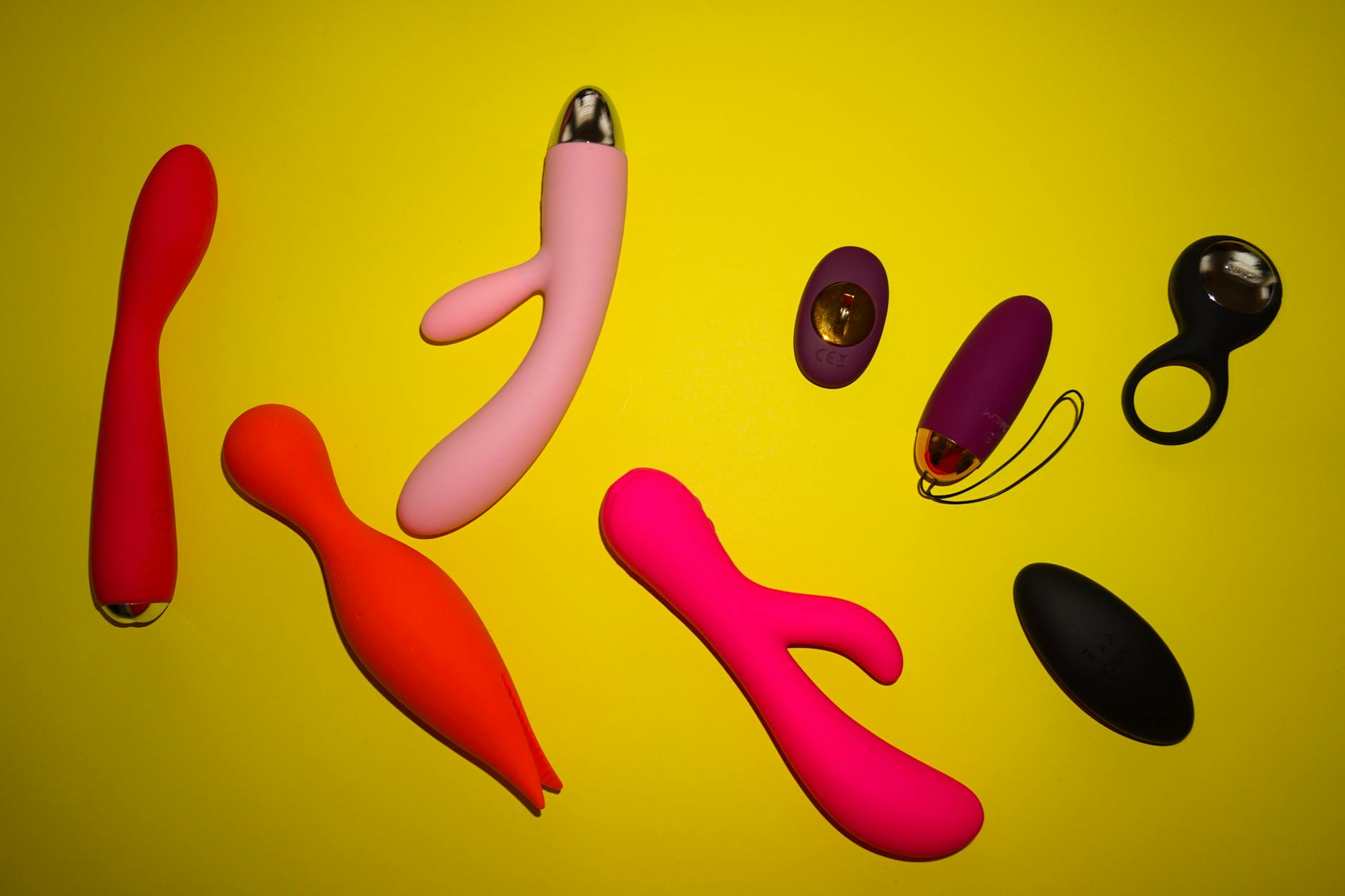
Let's start with what's actually happening
You used to be able to go again in five minutes. Now it's twenty. Maybe thirty. Maybe longer, depending on the day. You're not broken. Your nervous system isn't failing you. What's changed is something called refractory period, and it's completely normal, completely manageable, and something most people never talk about honestly.
Refractory period is the recovery window after an orgasm when stimulation either doesn't work or feels overwhelming. For people with vulvas, this can range from seconds to hours depending on age, stress, hormones, medication, and what's happening in your life. It's not the same as lack of desire. Your brain might want another orgasm. Your body just needs a pause.
Why refractory periods get longer as we age
There are three main culprits, and none of them mean you're doing something wrong.
Hormonal shifts. Estrogen and testosterone both influence how quickly your nervous system resets after stimulation. As we move through our thirties, forties, and beyond, these hormones naturally fluctuate. Lower estrogen can mean a longer refractory period. This is especially pronounced in perimenopause and menopause, but it happens gradually before that too.
Nervous system load. Your body doesn't distinguish between different kinds of stress. Career pressure, relationship dynamics, financial worry, family obligations, lack of sleep, too much caffeine. All of it lands in your nervous system as activation. When your nervous system is already running high, it takes longer to reset after an orgasm. Think of it like your brain needing more time to process the event before it can handle another one.
Physical changes. Pelvic floor tension, inflammation, or simply the wear and tear of living in your body for decades can all slow recovery. Some of this is anatomical. Some of it is postural. Some of it is literally just that your body needs more time now.
The good news: longer refractory periods don't mean fewer or weaker orgasms. They mean your body is asking for a different approach.
How to use Lemon vibrators strategically during recovery
The mistake most people make is trying to push through. They keep stimulation at the same intensity, same pattern, same approach. That either creates pain or numbness. Instead, here's what actually works.
Shift to teasing instead of pursuing. After your first orgasm, lower the intensity dramatically. Move to pattern one on the Lem if you were using pattern five. Apply the vibration more broadly across the vulva instead of directly on the clitoris. The goal isn't another orgasm right now. The goal is keeping the nervous system engaged without demanding another release. This light stimulation actually speeds up recovery because you're not overwhelming the system.
Build micro-sensations. Some of the most satisfying sessions aren't a series of intense orgasms stacked on top of each other. They're waves of pleasure that don't quite crest into orgasm, then moments of rest, then building again. Use a lemon clitoral vibrator on the lowest setting and focus on sensation instead of outcome. Move it slowly. Pause. Notice where pleasure lives in your body beyond just the clitoris. This rewires your pleasure system away from the "I must have another orgasm now" framework.
Rest between sessions. If you want multiple orgasms, you don't need them back-to-back. Some of the most powerful sessions include a fifteen-minute break. Do something else. Breathe. Kiss your partner. Listen to music. Then come back to it. The reset isn't a failure. It's actually how longer refractory periods can work in your favor. You get a richer, more varied session with better circulation and less overwhelm.
What stress and sleep actually have to do with this
You could have the best lemon sexual toy on the market, but if you're sleeping five hours a night and managing three crises at work, your recovery time will stretch. This isn't a character flaw. It's physiology.
When you're sleep-deprived, cortisol stays elevated. Elevated cortisol tells your nervous system that the threat isn't over. So it stays on high alert. An orgasm is a massive activation event for your nervous system. If your system is already activated, it takes longer to come back down and reset.
The same is true for chronic stress. If you spend your day in a state of low-grade fight-or-flight, your nervous system doesn't have the bandwidth to move through arousal and recovery quickly. You're not lazy. You're not aging out of pleasure. You're just managing a higher baseline load.
This is where the conversation shifts from technique to life. If refractory periods are genuinely concerning, the first place to look isn't your vibrator. It's your sleep, your stress, and whether you're actually resting. A Lemon vibrator works best when you're actually able to relax into it.
The partner conversation you might need
If you're partnered, longer refractory periods can create tension. Maybe your partner wants to keep going. Maybe you feel pressure to perform on the old timeline. Maybe you're embarrassed that your body is changing.
Here's what helps: stop centering orgasms as the finish line. If multiple orgasms matter to you, great. Design a session around that. Set aside time. Reduce external pressure. But if what's changed is that you'd rather have one really good orgasm with more pleasure woven throughout rather than three quick ones, that's not a loss. That's a different kind of satisfaction.
Talk to your partner about what you actually want instead of what you think should happen. "I want us to slow down more" is different from "my body takes longer to recover." One is a preference. One is a limitation. Most of the time, the preference is true, and the limitation is just an excuse we're using.
When to seek help
If refractory periods suddenly get much longer and you can't identify why, it's worth mentioning to a doctor. Thyroid issues, vitamin deficiencies, medication side effects, and other physiological factors can all impact this. A practitioner who specializes in sexual health can actually help rather than dismissing the concern.
Same goes if longer recovery time is accompanied by pain, numbness, or complete loss of sensation. That's not just aging. That's something worth investigating.
But if you're just noticing that what used to take five minutes now takes twenty, and nothing else has changed dramatically, this is normal human variation. How to use Lemon vibrators when clitoral stimulation feels numb or weak goes deeper into sensation shifts if you're experiencing numbness alongside longer recovery.
The pleasure shift that often comes with this
Here's what I've observed clinically: when people stop fighting longer refractory periods and instead design pleasure around them, something shifts. Sessions become less about quantity and more about depth. People discover they prefer extended arousal to rapid stacking. The pressure to perform vanishes.
Your body isn't asking you to have less pleasure. It's asking you to have different pleasure. The lemon vibrators and adult toys you already own work fine for this. What changes is permission. You get to take your time. You get to rest. You get to explore sensation instead of chasing outcomes.
That's not a downgrade. For most people, it's the first time pleasure has felt actually good.
FAQ: Recovery time and using clitoral vibrators
Q: Does recovery time mean my orgasms are getting weaker? A: No. Recovery time and orgasm intensity are separate systems. You can have intense orgasms with longer recovery periods, or weak orgasms with quick recovery. Usually what changes is the time between, not the quality of the orgasm itself. If orgasm intensity is actually shifting, that points to something else (hormones, blood flow, pelvic floor tension) worth exploring separately.
Q: Can I speed up recovery time with stimulation or lemon vibrators? A: Not really. Your nervous system resets on its own timeline. What you can do is stop fighting it. Light stimulation, position changes, and temperature play can keep the experience alive without demanding another orgasm, which actually feels better to most people.
Q: Is longer recovery time permanent? A: It depends on the cause. If it's hormonal, it may stay. If it's stress-related or sleep-related, improving those can shorten recovery time noticeably. Some of it is just aging, which is permanent but not a problem if you adjust your expectations.
Q: Should I use a different intensity setting on the Lem or other lemon vibrators during recovery? A: Yes. Use your lowest setting and broader contact. After an orgasm, direct clitoral stimulation at high intensity often feels uncomfortable. The recovery phase is perfect for exploring the outer labia, the perineum, and broader vulval contact at low speeds.
Q: If I take a longer break between orgasms, do I lose the "arousal momentum"? A: Sometimes. But often what feels like lost momentum is actually your nervous system resetting, which is healthy. Coming back to arousal after a real break often produces better orgasms because you're not working from an already-activated nervous system.
Q: Does medication affect recovery time? A: Yes. SSRIs, certain blood pressure medications, and hormonal birth control can all lengthen refractory periods. If this changed after you started something new, that's worth discussing with your provider.
Q: Is it normal for recovery time to vary day to day? A: Completely normal. Stress, sleep, where you are in your cycle, whether you've eaten, hydration, and your overall nervous system state all affect recovery. Some days it's five minutes. Some days it's an hour. Both are fine.
Q: Can I rebuild faster recovery time with practice? A: Not really. But you can stop pushing against longer recovery, which paradoxically makes the experience feel much better. How to use Lemon vibrators when you want to slow down and extend pleasure explores why slowing down actually improves the whole experience.
The framework that changes everything
Stop thinking of refractory periods as a problem to solve. Start thinking of them as information. Your body is telling you it needs rest. Needs pacing. Needs a different kind of attention. That's not weakness. That's communication.
When you work with your recovery timeline instead of against it, pleasure stops being a performance metric and starts being an actual experience. That's when lemon vibrators, orgasms, and your body start feeling like they're on the same team.
If you want to explore this more deeply with a partner or on your own, how to use Lemon vibrators when you want to slow down and extend pleasure has tactical strategies for sessions built around longer recovery. And if you're noticing other shifts in sensation or desire alongside this, that's also worth understanding.