Let's start with what's actually happening
You're not broken. You haven't lost interest. Your body is just operating on a different timeline now.
After 40, arousal genuinely takes longer. This isn't a mood problem or a relationship problem. It's a physiological shift. Blood flow takes longer to redirect to your genitals. Nerve sensitivity changes slightly. The cognitive load of midlife (work stress, aging parents, relationship patterns you've fallen into) means it takes more intentional focus to cross over into that turned-on space. All of this is completely normal.
Here's the thing nobody tells you: this slowdown doesn't mean the pleasure that comes is any less intense. It just means the path there looks different.
Why arousal actually slows down
There are three main biological drivers.
First, blood flow. Younger bodies respond to stimulation with immediate vasocongestion. Blood rushes to your genitals faster, tissues swell, arousal builds almost reflexively. As you age, your cardiovascular system needs more time to redirect blood flow. Nothing's wrong with your heart or your vessels. It's just how aging works. The same slight slowdown happens with oxygen delivery to every part of your body.
Second, hormone shifts. Estrogen and testosterone both decline gradually starting in your late 30s. This doesn't mean you stop making them. It means the levels are lower, and your tissues are slightly less sensitive to the hormonal signals that usually trigger desire. You might notice it takes more direct stimulation, not less arousal capacity.
Third, neural efficiency. The nerves in your clitoris don't change, but how your brain processes sensation does. Your brain is juggling more information at 45 than it was at 25. Arousal requires focus. When your attention is fragmented between work emails, relationship check-ins, and the mental load of midlife, your nervous system has to work harder to shift into pleasure mode.
None of this is permanent damage. It's just a recalibration.
What changes (and what doesn't)
Here's what I want to be crystal clear about:
Your capacity for pleasure is exactly the same.
Your ability to orgasm is the same.
The intensity of orgasm isn't diminished.
What changes is the warm-up time. You might need 20 minutes instead of 5. You might need more direct stimulation instead of anticipation alone doing the work. You might need to turn your phone off and actually tell your partner, "I need focus right now," instead of assuming they'll intuit it.
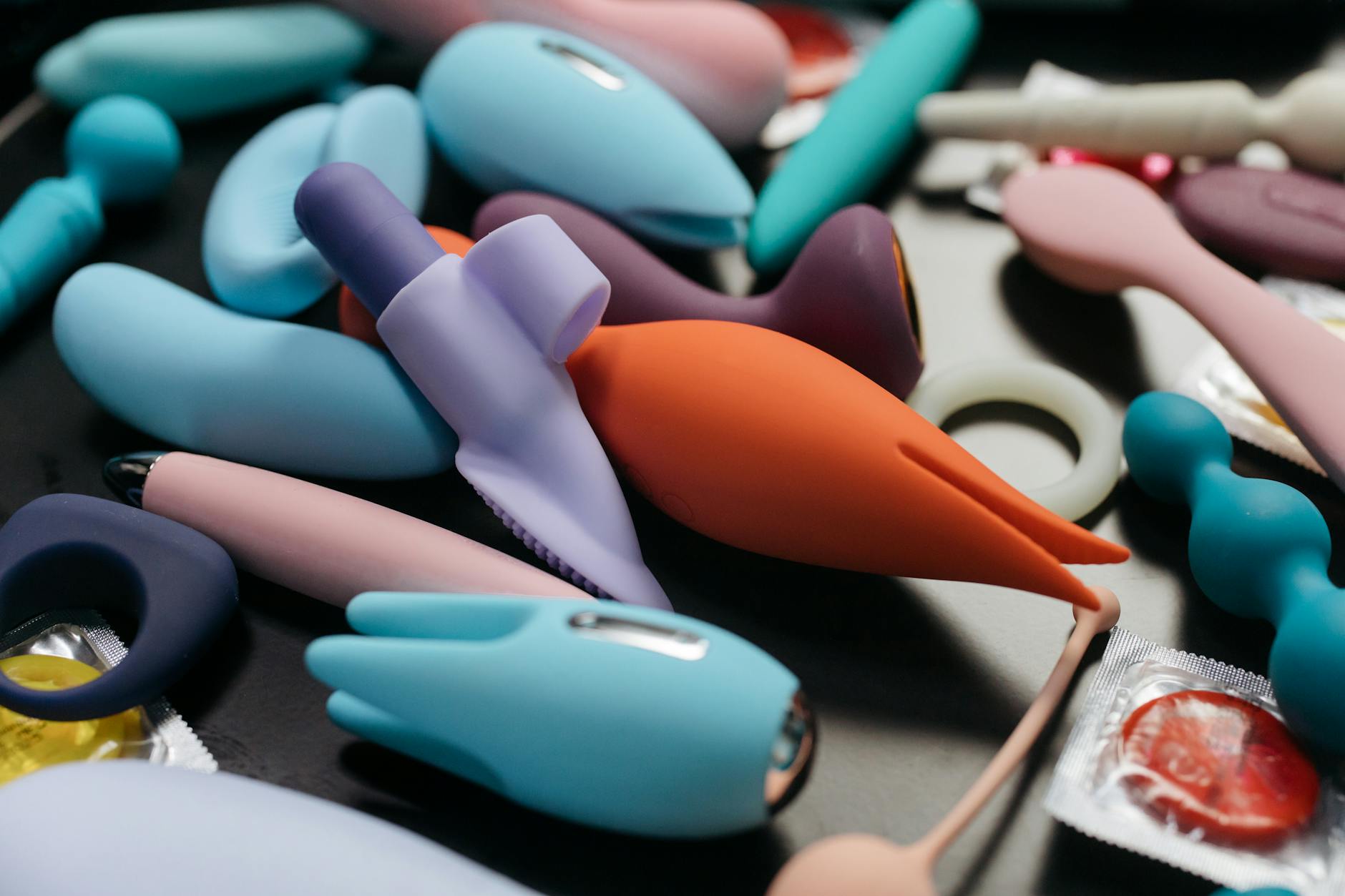
Lemon clitoral vibrators are particularly useful here because they skip the long arc of building arousal through escalating touch. They go directly to intense, consistent stimulation. No uncertainty. No waiting to see if it's working. No wondering if tonight's going to be one of those nights where it takes 45 minutes to get there.
How lemon vibrators actually solve this
There are two ways they help.
First, they compress time. A lemon sucker or vibrator delivers the kind of consistent, targeted stimulation that would normally take manual effort and a lot of back-and-forth communication with a partner to dial in. Especially if you're using one of the lemon suction toys (the lem vibrator is the classic here), you get intense stimulation without the variable pressure of a hand.
Second, they reduce cognitive load. One of the biggest obstacles to arousal in your 40s and beyond is that nagging sense of "is this working yet." Lemon adult toys are straightforward. You know what intensity you're getting. There's no wondering or waiting. That certainty actually helps your nervous system relax into the experience faster.
The suction mechanism in particular works well for this phase of life because it doesn't depend on the same kind of blood flow you might be waiting for. Suction stimulates nerves directly. It doesn't require your body to be already partially aroused to feel good.
The practical approach: three ways to use them
Option one: solo warm-up. Start with your lemon vibrator 15 minutes before partnered sex. Get yourself 70 percent of the way there, then invite your partner in. Your body will already be primed, blood flow is redirected, and the experience feels less like effort and more like continuation.
Option two: partner integration. Use the vibrator together from the start. This removes the "is my partner doing the right thing" anxiety. You control intensity and pattern. Your partner can focus on other touch or presence instead of trying to guess what your body needs right now.
Option three: full solo session. Some people find that as arousal takes longer, partnered sex starts to feel like a performance they have to show up for, even when they're not quite in the headspace. Solo pleasure with a lemon clitoral vibrator lets you take as long as you need without any external pressure. Then when you are with a partner, you come to it from a place of genuine desire, not obligation.
Whichever approach you choose, the key is removing the variable of unpredictability. How to use lemon vibrators when you want deeper orgasms with less effort covers a lot of the intensity settings and timing questions that come up as you're experimenting.
The mental piece matters more than you think
Here's what I've noticed in my own research and conversations with people navigating this transition. The slowness of arousal sometimes gets wrapped up with grief. Grief that your body isn't responding the way it used to. Grief that sex feels more complicated. Grief that desire isn't automatic anymore.
That's real. And it's worth feeling.
But here's the flip side: once you've crossed into that turned-on space, the experience is often richer. You're more present. You know your body better. You're less likely to be performing for an imagined audience and more likely to be actually experiencing pleasure. Arousal might take longer to build, but the plateau is deeper.
Lemon sexual toys help because they transform that frustration of waiting into active participation. You're not waiting for arousal to happen to you. You're actively generating it. That's a fundamentally different experience.
If you're in a relationship, one more thing worth saying: slow arousal doesn't mean low desire. These are different things. You might have high desire and slow arousal, which can be confusing for both partners. How to use lemon vibrators with your partner when communication feels awkward digs into how to actually talk about this with the person you're with.
When to see someone about it
Most slowness in arousal after 40 is just aging. But if arousal has completely disappeared, or if it came on suddenly alongside other symptoms like fatigue, mood changes, or brain fog, that's worth checking with a doctor. Low testosterone, thyroid issues, or depression can all affect desire, and those are all very treatable.
Same thing if it's paired with pain. Pain and slowness together usually point to something specific. Genitourinary syndrome, hormonal shifts, or pelvic floor tension can all affect how quickly arousal builds.
Otherwise, the slowness itself isn't a problem. It's just information. Your body's telling you it needs a different approach. Lemon clitoral vibrators are one way to work with that instead of against it.
The practical checklist
If you're starting to experiment with a lemon vibrator for the first time in this season of life, here's what actually helps.
Start with a warm-up routine that feels good to you. Maybe that's ten minutes of touch, a shower, watching something that gets you interested. Then bring the vibrator in when you're halfway there, not from a dead stop.
Set a realistic time window. Instead of hoping you'll orgasm in five minutes, plan for 20 and be pleasantly surprised if it's faster.
Use a pattern that feels good first, then play with intensity. Don't jump straight to the strongest setting. Build into it.
If you're with a partner, set an expectation that this is part of your routine now. This isn't a one-time thing. It's just how arousal works in this phase. That takes the pressure off trying to make it happen "naturally."
Remember that consistency matters more than spontaneity right now. Your body responds better to scheduled, intentional pleasure than to the occasional surprise. This isn't romantic, but it works.
FAQ
Does slower arousal mean I'm losing my sex drive?
No. Arousal speed and desire are different things. You might want sex just as much as you ever did, but your body might take 15 minutes to get there instead of 5. That's a timing thing, not a desire thing. Lemon vibrators help compress that timeline without changing how much you actually want pleasure.
Can I use a lemon vibrator if I'm already on hormone replacement therapy?
Completely yes. HRT helps some people, but it doesn't make arousal instant again. If you're on HRT and still noticing slow arousal, a vibrator is still useful. In fact, some people find that vibrators work even better once tissues are healthier from HRT.
How long should arousal take at my age?
There's no "should." But if you're consistently needing 20 to 30 minutes, that's not unusual. If it's an hour or more, or if this is a recent change, that might be worth mentioning to a doctor. Otherwise, slower arousal is just part of aging.
Does using a vibrator make my body lazy about arousal?
No. This is a common worry and it's not how physiology works. Using a vibrator doesn't rewire your nervous system or make you unable to respond without it. Lemon clitoral vibrators are a tool, not a dependency.
What if my partner feels threatened by using a vibrator now?
This often comes up when arousal is slower and partners interpret it as rejection. How to use lemon vibrators with your partner when communication feels awkward has more detail here, but the short version: frame it as something for both of you, not something to replace them. Your slower arousal isn't their fault, and the vibrator isn't an indictment of what they're doing. It's just information about your body.
If I haven't had sex in a while, will a vibrator help me get back into it?
Yes. Starting solo is often easier than starting with a partner when you're out of practice. A vibrator gives you control, predictability, and a way to relearn what your body responds to without performance pressure.
You're not behind
Slower arousal isn't a decline. It's a recalibration. Your body isn't asking you to give up pleasure. It's asking you to be more intentional about it.
Lemon vibrators exist partly because of this exact shift. They compress the timeline and increase certainty, which is exactly what most people need in their 40s and beyond. You deserve to feel turned on, to have orgasms that feel incredible, and to enjoy sex without it feeling like an uphill climb.
Your body at 40 or 50 or 60 is capable of all of that. It just might need a different tool to get there. And that's completely fine.